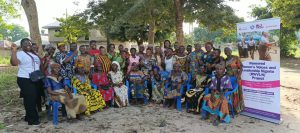
For many rural women, the difference between a business idea and a thriving livelihood can come down to one critical resource: access to finance. Without reliable ways to save, obtain small loans or raise capital, many women struggle to turn their hard work into sustainable economic opportunities.
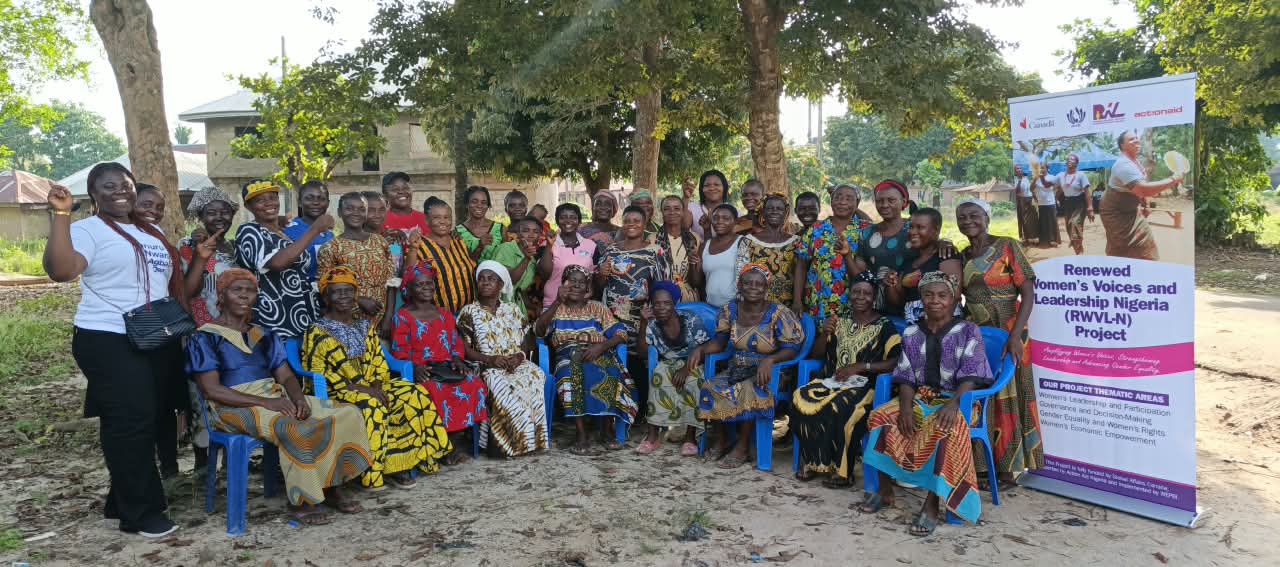
Recognising this gap, the Women Empowerment Education and Peace Building Initiative (WEPBI) has taken the conversation on financial inclusion to three rural communities in Enugu State, sensitising women on how Village Savings and Loan Associations (VSLAs) can help strengthen their economic prospects.
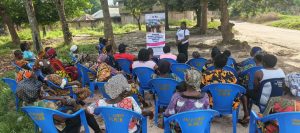
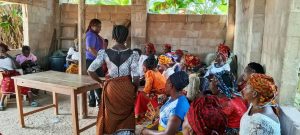
The sensitisation activities, conducted on 6, 7 and 9 November 2026, reached women in Okpanku and Mpu communities in Aninri Local Government Area, as well as Ukana Community in Udi Local Government Area, under the Renewed Women’s Voices and Leadership (RWVL) Project. The engagements introduced participants to the principles of collective savings, financial cooperation and access to loans through organised savings groups.
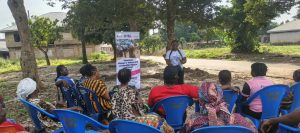
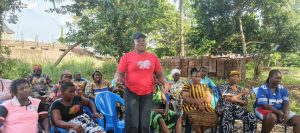
The sessions highlighted how VSLAs can provide rural women with practical opportunities to develop regular savings habits, access funds through collective contributions and make financial decisions that support their livelihoods. For many women in rural communities, the challenge is not simply earning an income but having reliable and accessible ways to save, obtain credit and invest in small businesses. VSLAs offer a community-based approach that can help address some of these barriers while strengthening women’s financial security.
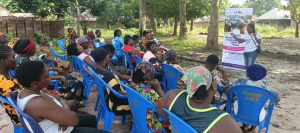
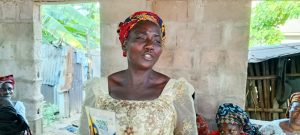
Beyond the immediate benefits of saving and borrowing, improving women’s access to financial resources is also essential to their broader economic participation and decision-making. When women have greater control over resources and opportunities to invest in their livelihoods, they are better positioned to contribute to household welfare, community development and local economic activities. The RWVL Project is fully funded by Global Affairs Canada and supported by ActionAid Nigeria.
WEPBI recognises that advancing women’s economic empowerment requires more than sensitisation; it also calls for accessible savings structures, fair lending opportunities and sustained support for women-led businesses. Government institutions, financial service providers, development partners, communities and women’s rights organisations all have a role to play in creating an enabling environment where rural women can turn financial knowledge into meaningful economic opportunities.
For rural women, financial empowerment should mean more than understanding the importance of saving; it should mean having real opportunities to put that knowledge to work and shape a more secure economic future.